What counts as an HVAC emergency
Not every problem needs a 2 a.m. visit, and an honest dispatcher will tell you when yours can wait. These usually cannot:
- No cooling in hot weather with the house climbing into the 80s, especially with babies, older adults, pets or anyone with a heart or breathing condition at home
- No heat on a freezing night, with pipes in exterior walls or crawl spaces at risk
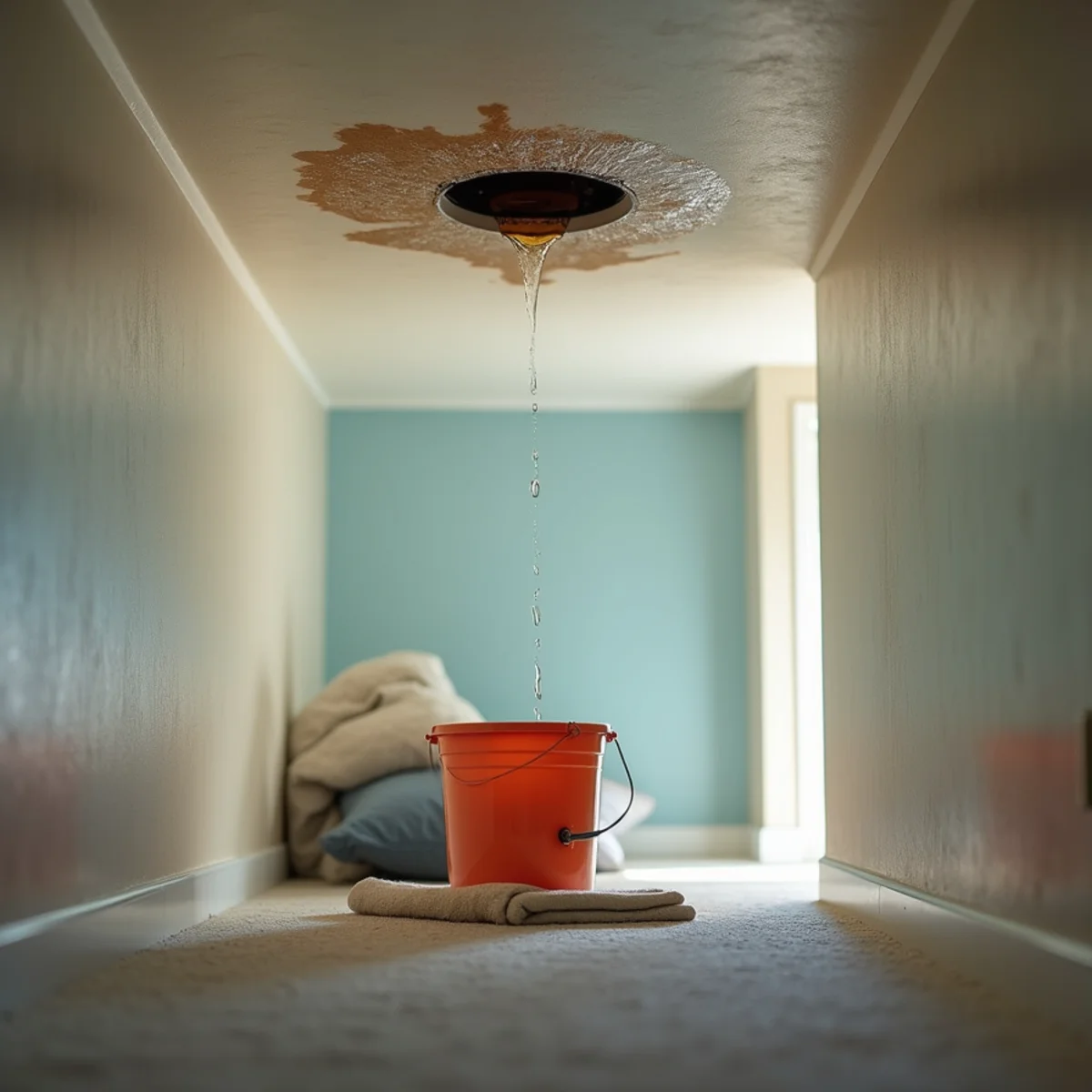
- Water coming through a ceiling from an attic unit
- Burning or electrical smells from the furnace, air handler or vents
- A breaker that trips again after one reset
- A gas smell or carbon monoxide alarm, which goes to 911 or the gas company first
A system that runs but lags, a noisy fan that still turns or one warm room can usually wait for regular hours, which may also avoid an after-hours rate.
Safety warning: If anyone in a hot house shows signs of heat illness, such as confusion, fainting or hot, dry skin, call 911 first. Then call us about the AC.
Emergencies we handle: no cooling, no heat, water through the ceiling, burning smells, tripping breakers
No cooling
Usual culprits on a July afternoon: a failed capacitor or contactor, a frozen indoor coil, a float switch tripped by a clogged drain, or a dead fan motor. Many are fixed in one visit when the part is on the truck. See AC repair.
No heat
On a gas furnace it is often a cracked igniter, a coated flame sensor, a failed inducer motor or a control board fault; see furnace repair. Townhomes near Kennesaw State University often run heat pumps, and one that is iced solid or running only on backup heat needs its own diagnosis; see heat pump repair.
Water through the ceiling
Upstairs air handlers sit in the attic above bedrooms. When the drain clogs and the pan overflows or rusts through, water comes through the drywall. The technician clears the drain, checks the float switch and pan, and restarts the system safely.
Burning smells and tripping breakers
A dusty smell on the first cold morning is normal. Melting plastic or hot wiring is not; turn the system off and call. A breaker that keeps tripping is protecting the circuit from something real, such as a shorted compressor or failing motor, and repeated resets can make it worse.
What to do before the technician arrives (thermostat, breaker, filter, drain pan)
These checks are safe for any homeowner. Do not remove equipment panels or touch wiring.
- Thermostat. Confirm Cool or Heat mode, a setpoint well past room temperature and the fan on Auto. Replace the batteries if the display is blank.
- Breaker. Find the furnace or air handler and outdoor unit breakers in your breaker box. Reset a tripped one once. If it trips again, leave it off and tell us. Never remove the panel cover. Also check the light-style service switch near the furnace.
- Filter. If it is packed with dust or pollen, replace it. A clogged filter can freeze an AC coil or shut a furnace down.
- Drain pan. If you can safely reach the attic unit from the decking, look at the pan beneath it. Standing water means a clogged drain. Turn the system off and put a bucket under any ceiling drip.
- Ice. Frost on the outdoor copper line means a frozen coil. Turn cooling off and set the fan to On to thaw it.
Our guides to safe checks when the AC is not cooling and what to check when the furnace will not turn on go step by step.
While you wait, close sunny-side blinds and keep everyone downstairs in summer. In winter, gather in one room and let exterior-wall faucets drip on the coldest nights. Never leave a space heater running unattended.
Gas smell or carbon monoxide alarm: leave the house and call 911 or the gas company first
Safety warning: If you smell rotten eggs, hear hissing near a gas line, or your carbon monoxide alarm sounds, get everyone out now. Do not flip switches, touch the thermostat or look for the leak. From outside and away from the house, call 911 or your gas utility's emergency line. Call Hooten Air Pros after they say it is safe.
Carbon monoxide has no smell, so the alarm is your only warning. Headache, dizziness and nausea affecting several people at once are classic signs.
Once fire or gas crews clear the home, an HVAC technician can check the furnace for a cracked heat exchanger, blocked flue or failed draft inducer. A furnace found unsafe stays off until it is repaired or replaced.
Test CO alarms monthly. Homes with gas appliances or an attached garage need one on every floor and near the bedrooms.
Staying safe and comfortable until the technician arrives
An arrival window can still mean a few hours on a busy night. These steps protect people first and the house second.
When the AC is out in a heat wave
- Close blinds and curtains on the sunny side of the house and keep doors to unused rooms shut.
- Run ceiling fans and portable fans, and move to the lowest floor; in a two-story Kennesaw home, the downstairs can run several degrees cooler.
- Drink water steadily and skip alcohol. Cool showers and damp cloths help bring body temperature down.
- If someone in the house is very young, elderly, pregnant or ill, get them to a friend's house, a relative's or a cool public place rather than waiting it out.
When the heat is out on a freezing night
- Close off unused rooms and gather everyone in one interior room with the doors shut.
- Use space heaters only if they have tip-over and overheat shutoff, keep them three feet from anything that burns, and plug them straight into a wall outlet.
- Never heat the house with a gas oven, a grill or a generator indoors. All three can produce deadly carbon monoxide.
- On single-digit nights, let faucets on outside walls drip and open sink cabinets so warm air reaches the pipes.
Safety warning: Signs of heat illness, such as confusion, a very high body temperature or fainting, are a medical emergency. Call 911 first, then call us.
How 24/7 dispatch works: live answer, nearest technician, price before work
Here is what happens when you call (321) 478-0693 after hours.
- A person answers and asks your address, what the system is doing, and whether anyone at home is at risk from heat or cold.
- We find the nearest available technician among the independent contractors we work with across the cities we cover. Every HVAC contractor we send is licensed and insured in Georgia.
- You get an arrival window before you hang up. Timing depends on distance, the hour and open calls, so you get a window, not a promise nobody can keep.
- Diagnosis, then a price. The technician explains the cause and the cost before any work starts. You decide.
- The repair, or a safe plan. If a part must be ordered or the equipment is unsafe, the technician makes it safe and explains the next step.
Besides Kennesaw itself, late-night calls reach us from older neighborhoods around the Marietta Square, Cherokee County homes in Woodstock and Acworth subdivisions off Cobb Parkway.
What's included in an emergency visit
An after-hours call has one job before anything else: make the house safe, then restore heating or cooling if it can be done that night.
- Make it safe. Shut down a system that is leaking water into a ceiling, tripping breakers, smelling of burning or showing signs of a combustion problem.
- Find the cause. The same diagnosis as a daytime visit: power, controls, airflow, drains, refrigerant and, on a furnace, ignition, flame and venting.
- The fix, when the part is on hand. Capacitors, contactors, igniters, flame sensor cleaning, float switches and drain clearing are commonly finished the same night.
- A safe plan when it is not. If a compressor, motor or control board has to be ordered, the technician makes the system safe, explains the timing and, where possible, restores partial operation, such as running the downstairs system or a heat pump on emergency heat.
- The price first. You hear the cost, including any after-hours rate, before work begins.
Nights, weekends and holidays: how after-hours pricing works
The straight answer: an overnight, weekend or holiday visit may cost more than the same repair on a weekday afternoon. The contractor doing the work sets that after-hours rate.
- You hear the price before work starts, including any after-hours charge. If you would rather wait for regular hours, say so.
- Ask on the phone whether an after-hours rate applies right then.
- Not everything has to happen tonight. If the system can be made safe now and repaired in the morning, the technician will tell you.
Beyond the hour, the total depends on the part, whether it is on the truck, how hard the equipment is to reach (an attic unit in August is slow work), the refrigerant type and the system's age.
If it can safely wait, a weekday appointment is usually the less expensive choice. If it cannot, call any time.
Heat waves and hard freezes in Kennesaw: when demand spikes

Emergency calls bunch up around the weather.
Heat waves
Summer highs here average in the upper 80s. A humid run in the mid to upper 90s makes every system run nonstop, and weak capacitors, dirty coils and clogged drains fail together, often on the first or second day. Attic air handlers are working in the hottest space in the house.
Hard freezes
Winter lows average near freezing. The December 2022 arctic blast took metro Atlanta into the single digits, and furnaces that had run fine all season failed under constant demand. Heat pumps lean on backup heat on nights like that, and some owners discover the heat strips have quit.
Staying ahead of the rush
- Call as soon as you notice a problem; early calls are easier to fit in.
- Book HVAC maintenance before each season.
- Landlords with rentals near KSU: give tenants this number and a short checklist.
During peak demand, arrival windows run longer, and you will hear an honest one when you call.
Why Choose Hooten Air Pros for Emergency HVAC Repair in Kennesaw
In an emergency, the first few minutes on the phone decide how the night goes. Here is what you can count on.
A person, not a voicemail
Calls to (321) 478-0693 are answered 24/7, including holidays, and the call starts with whether anyone in the home is at risk.
An honest arrival window
On a heat-wave afternoon or a hard-freeze night, many systems fail at once. You get a realistic window, not a promise that cannot be kept.
Licensed and insured contractors
Every HVAC contractor we send is licensed and insured in Georgia. After-hours work is held to the same standard as a scheduled visit.
Safety calls stay safety calls
Gas smells and carbon monoxide alarms get the right first step, 911 or the gas utility, and an unsafe furnace stays off until it is fixed.
No surprise after-hours bill
Any night or weekend rate is part of the price you hear before work starts.
Emergency HVAC Repair Across Kennesaw and Nearby Cities
Calls come in from all over our HVAC service area around Kennesaw. These are the cities we hear from most for 24/7 emergency:
We also cover Powder Springs, Canton and Dallas.
Emergency HVAC Repair FAQs
Are you really available 24 hours a day?
Yes. A person picks up (321) 478-0693 around the clock, seven days a week, holidays included. When you call, we take the details and dispatch the nearest available licensed and insured HVAC technician from the independent contractors we work with. Late-night availability can be tighter than daytime, especially during a heat wave or a hard freeze, so you get an honest arrival window on the call rather than a guess.
How quickly can a technician arrive in Kennesaw?
It depends on where you are, the time of day and how many emergency calls are open at that moment. The nearest available technician gets the job, and the person who answers gives you an arrival window before you hang up, so you can plan around it. We do not promise a set number of minutes, because on the hottest and coldest nights demand changes by the hour. If anyone at home is at risk from heat or cold, say so on the call.
Does emergency HVAC service cost more at night?
It can. Nights, weekends and holidays may carry an after-hours rate set by the contractor doing the work. You hear the full price, including any after-hours charge, before work starts, and you can choose to go ahead or book a regular-hours visit instead. If the problem can be made safe tonight and fixed in the morning, the technician can tell you that. Ask about after-hours rates when you call (321) 478-0693.
Is water dripping through the ceiling under my attic unit an emergency?
Yes, treat it as one. Water through a ceiling usually means the condensate drain is clogged and the pan under the attic air handler has overflowed or rusted through. Switch the thermostat to Off, set a bucket and towels under the drip, and move anything valuable out of the way. If the ceiling is sagging, keep people out of that room. Then call (321) 478-0693. The technician will clear the drain, check the float switch and pan, and get the system running safely. Our AC repair page explains drain problems in more detail.
Can I use a space heater or the oven while the heat is out?
A space heater is fine if it has tip-over and overheat shutoff, sits at least three feet from bedding, curtains and furniture, and plugs directly into a wall outlet, not an extension cord. Never use a gas oven, a charcoal or gas grill, or a generator to heat the house. They can fill it with carbon monoxide. If you have a carbon monoxide alarm, make sure it works before bed.