Signs it is time to replace rather than repair
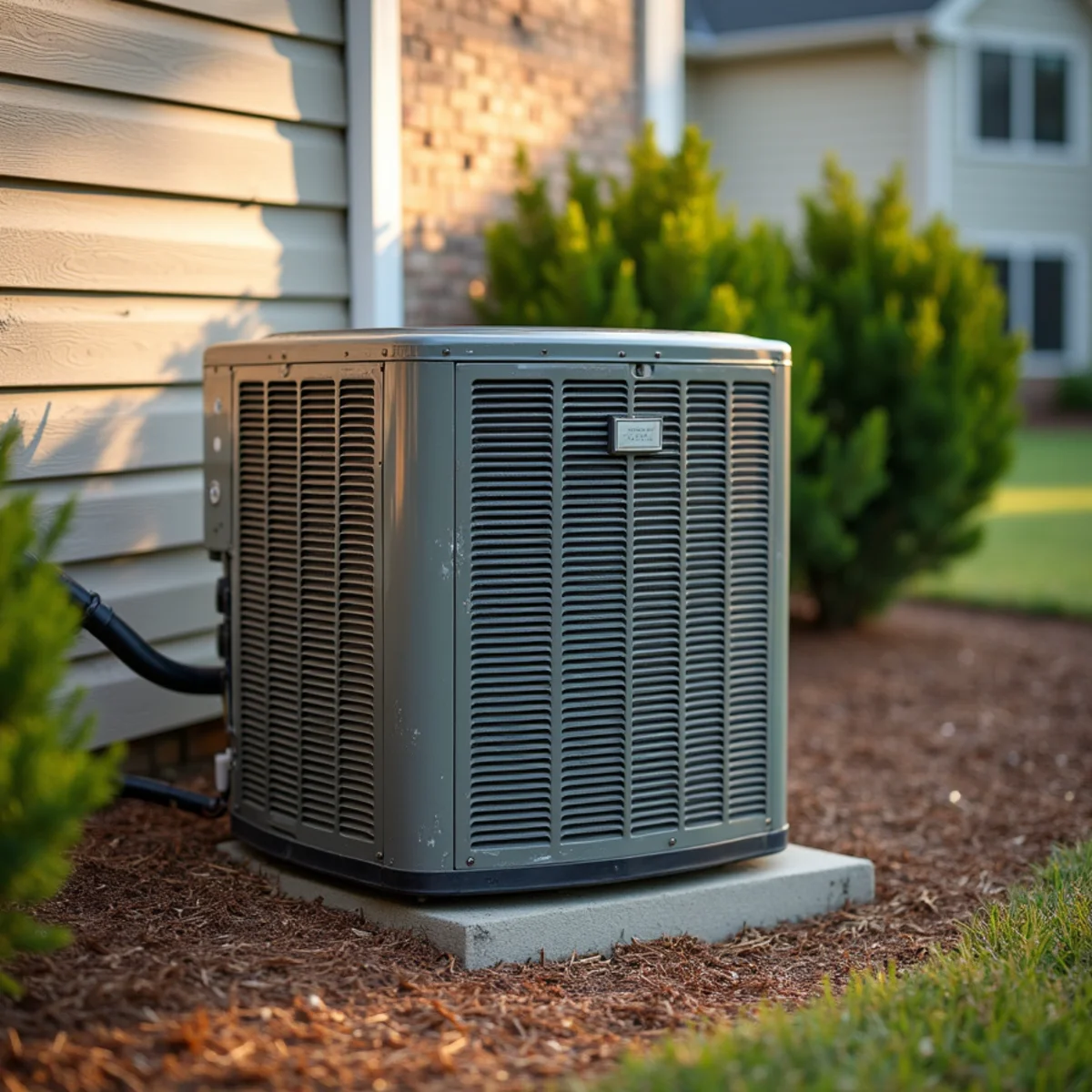
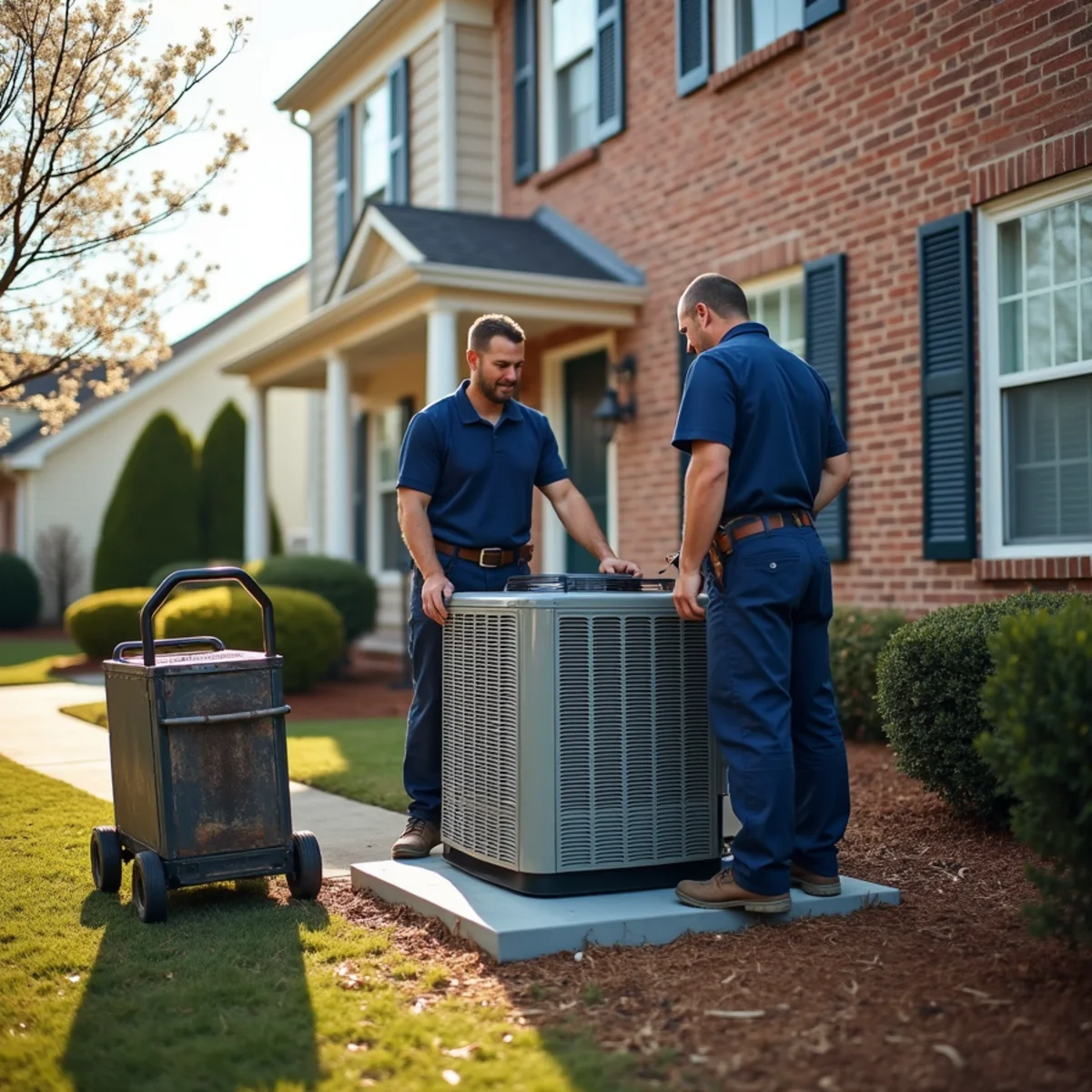
Nobody wants to replace a system with good years left, or pour repairs into one that is wearing out. In Kennesaw the question comes up constantly, because so many homes built from the late 1990s through the 2000s still run original or first-replacement equipment. These signs point toward an AC replacement:
- Age. Central air conditioners in the Southeast typically last 12 to 15 years or a bit more.
- A major failure. A failed compressor or a leaking indoor coil on an older system is a natural point to stop and compare.
- R-22 refrigerant. Many systems installed before about 2010 use R-22, which has not been produced or imported in the U.S. since January 1, 2020.
- Repeated breakdowns in the last two or three summers.
- Comfort problems that repairs never solved: sticky indoor air, a hot upstairs, long run times.
If you are on the fence, our article on whether to repair or replace an older AC walks through the decision. If the unit just needs a part, start with AC repair instead.
Sizing a system for a Kennesaw home: a load calculation, not a rule of thumb
The most common installation mistake is the wrong size. Picking by square footage, or copying the old unit's tonnage, misses how your house actually gains heat.
What a Manual J load calculation looks at
Manual J, published by ACCA, is the industry method for working out how much heating and cooling a house needs. It accounts for:
- Which way the house faces, and how much glass is on the west and south sides
- Attic and wall insulation levels
- How tight or leaky the house is
- Where the ducts run, since attic ducts in a Georgia summer add real load
- Occupants, ceiling heights and local design temperatures
Why oversizing hurts in humid Georgia
An oversized air conditioner cools fast and shuts off before it has run long enough to pull moisture out. The house ends up cool and clammy, and the short cycling wears parts faster.
Manual S and Manual D
After the load is known, Manual S guides picking equipment that matches it, and Manual D checks whether the ductwork can carry the airflow. A new system on undersized or leaky ducts will never perform as rated. If your upstairs has always been hot, read why upstairs rooms run hot in two-story homes, and ask whether duct repair should be part of the job.
SEER2 ratings, Southeast minimums and the move from R-410A to R-454B and R-32
Two rule changes shape every new air conditioner sold in Georgia today.
SEER2 efficiency ratings
Since January 1, 2023, efficiency has been rated under SEER2, a tougher test that better reflects real duct pressures, so SEER2 numbers run lower than old SEER numbers. In the Southeast, the minimum for a new split central AC is 14.3 SEER2 below 45,000 Btu/h and 13.8 SEER2 at 45,000 Btu/h and above. Split heat pumps must meet 14.3 SEER2 and 7.5 HSPF2 nationally.
Higher-efficiency two-stage and variable-speed systems run longer at lower output, which means steadier temperatures and better moisture removal in a humid climate.
The refrigerant transition
Starting January 1, 2025, under the EPA AIM Act technology transitions rule, manufacturers moved new split AC and heat pump systems away from R-410A toward lower-GWP refrigerants, mainly R-454B and R-32. What this means for you:
- Existing R-410A systems are still fully serviceable. There is no reason to replace a healthy one because of the change.
- When you replace, the outdoor unit and indoor coil need to match and be designed for the same refrigerant. Mixing an old coil with a new outdoor unit is not an option.
Replacing the furnace or air handler at the same time
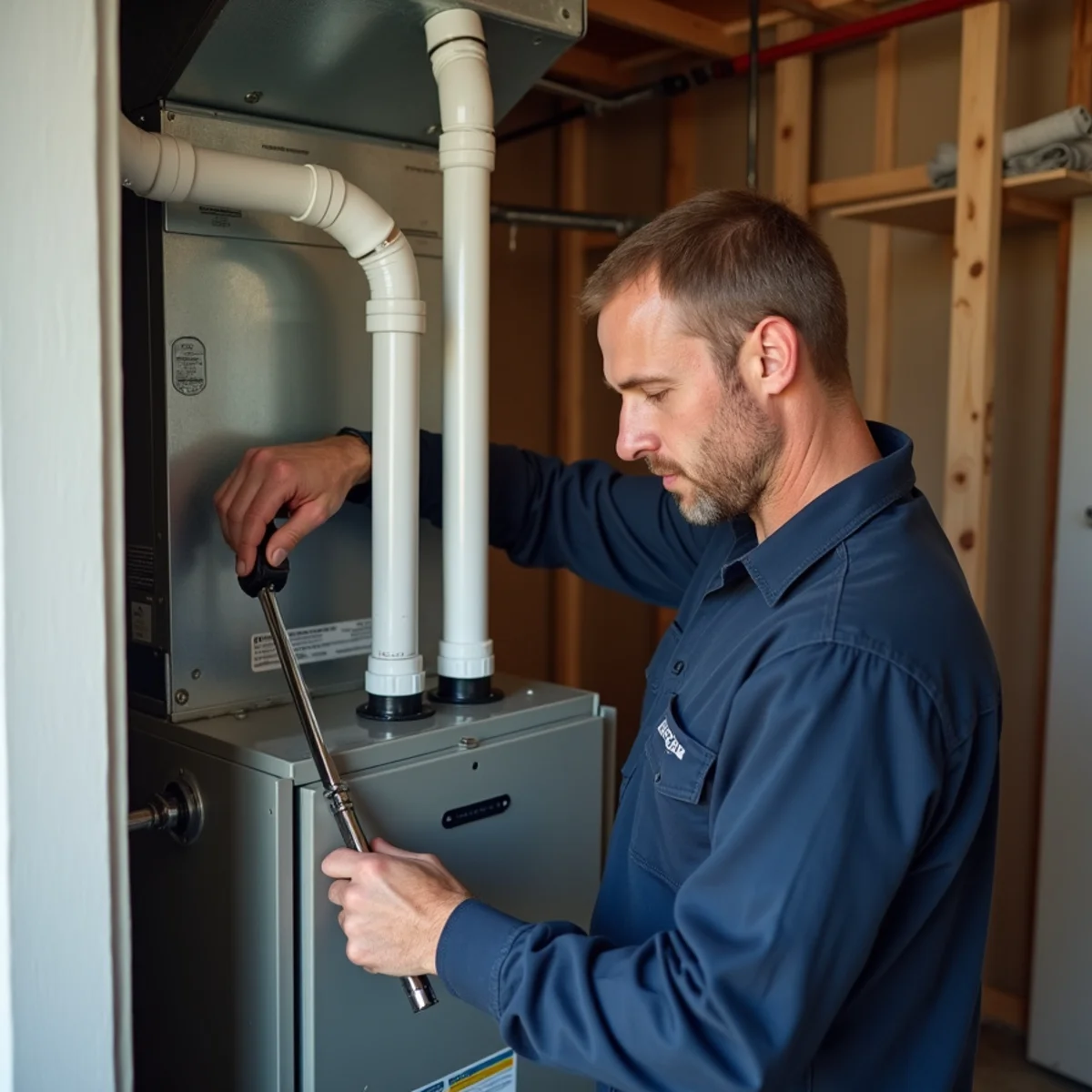
In most Kennesaw homes, the AC's indoor coil sits on top of a gas furnace; with heat pumps, it sits inside an air handler. Reasons to do a full system changeout rather than the outdoor unit alone:
- Matched equipment. Manufacturers rate efficiency on specific outdoor and indoor combinations. A mismatched pair may not deliver the rated SEER2 and may not qualify for full manufacturer warranty coverage.
- Refrigerant compatibility. A new R-454B outdoor unit needs a coil built for it.
- Age alignment. If the furnace is 15 years or older, replacing it now avoids a second install a few years later.
- Airflow. A newer furnace or air handler with a variable-speed blower can make better use of a two-stage or variable-speed AC.
A furnace in good condition can stay. A technician can check its heat exchanger, blower and controls and tell you whether furnace replacement is worth doing now. Our furnace repair page explains what wears out on gas furnaces and how long they typically last.
Two-system homes: replacing upstairs and downstairs units together or one at a time
Many two-story Kennesaw homes run one system per floor, installed together when the house was built, so both age out around the same time. When one fails, should the other go too?
Reasons to replace both together
- Both systems are the same age and use the same old refrigerant
- One trip, one permit process and one round of disruption
- The upstairs unit in the attic usually works harder and may be closer to failure than it looks
Reasons to replace one at a time
- The second system is noticeably younger or in good shape after an inspection
- Spreading the investment across two seasons fits the budget better
A good contractor inspects both and gives you the facts on each. This is one of the most common decisions in the Towne Lake subdivisions covered on our Woodstock service page and across Acworth's 2000s neighborhoods.
Ductless mini-splits for bonus rooms, finished basements and sunrooms
The bonus room over the garage is the classic problem room in Kennesaw-area homes: three outside walls, a hot roof and the longest duct run in the house. Finished basements and sunrooms struggle too.
Ductless mini-split installation puts a small outdoor heat pump outside and one or more wall-mounted indoor heads in the problem rooms. A small line set connects them through a single hole in the wall. Benefits:
- Each room gets its own thermostat and control
- No new ductwork through finished ceilings
- The main system no longer struggles to reach that room
A mini-split is not always the answer. Sometimes fixing the ductwork to the room solves it for less disruption. A technician can tell you which approach fits.
Installation day: permit, removal, line set, start-up and inspection
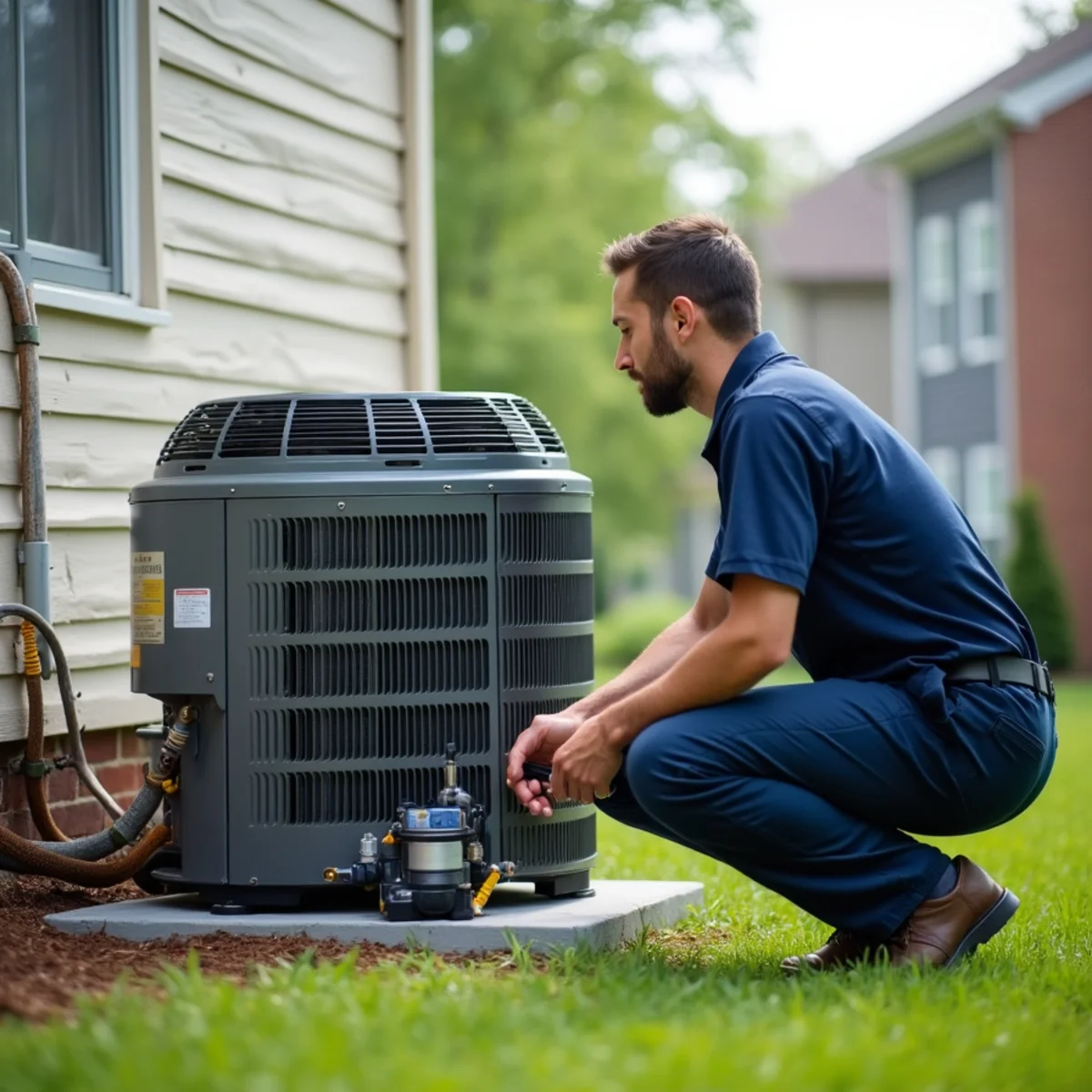
A well-run central air installation follows a clear sequence:
- Permit. HVAC equipment replacement generally requires a mechanical permit from the City of Kennesaw or Cobb County, depending on your address. The licensed contractor pulls it.
- Refrigerant recovery. The old refrigerant is recovered into a tank by an EPA Section 608 certified technician, never vented.
- Removal. The old equipment comes out and is hauled away.
- Line set. The copper lines are replaced, or cleaned and reused when they are the right size and in good condition. The contractor decides.
- Setting equipment. The outdoor unit goes on a level pad; the indoor equipment is set and sealed to the ducts.
- Brazing and testing. Joints are brazed while nitrogen flows through the lines to prevent scale. The system is pressure tested for leaks.
- Evacuation. A vacuum pump pulls the lines down to remove air and moisture, measured with a micron gauge.
- Start-up and commissioning. The charge is set by weight and confirmed with superheat or subcooling readings. Airflow, static pressure, temperature split, condensate drainage and the float switch are all checked.
- Inspection. The local inspector reviews the work under the permit.
A straightforward single-system changeout is often completed in a day. Two systems, duct changes or a mini-split add time.
What's included in a written AC replacement quote
A replacement quote should let you compare contractors line by line, not just bottom lines. Before you sign, make sure it spells out:
- The exact equipment. Outdoor unit and indoor coil or air handler model numbers, the capacity in tons, and the SEER2 rating of the matched system, not just the outdoor unit.
- Everything beyond the condenser. Thermostat, line set (new or reused), pad, electrical disconnect and whip, condensate drain and float switch, and any duct transitions or repairs.
- Permit, removal and refrigerant recovery. Who pulls the mechanical permit, and that the old refrigerant is recovered rather than vented.
- Start-up and commissioning. That the charge will be verified with superheat or subcooling and that airflow will be measured, not assumed.
- Warranty terms in writing. Parts and labor coverage, how long each lasts, and who registers the manufacturer warranty. Many manufacturers require online registration within a set window after installation to give you the longer parts term.
Questions worth asking about the warranty
What voids it? Common answers include missed maintenance, unapproved replacement parts and do-it-yourself repairs. Is labor covered, or only parts? Are the compressor and the coil covered for different lengths of time? Get the answers in writing, then keep the paperwork with the model numbers.
What affects the cost of a new system
Every quote should be in writing and specific to your house. These are the factors that move it:
- Equipment capacity, set by the load calculation rather than a guess
- Efficiency level and staging. Single-stage, two-stage and variable-speed systems differ in both equipment and controls.
- Scope. Outdoor unit and coil only, or a full system with a new furnace or air handler
- Refrigerant and line set. New R-454B equipment, and whether the existing line set can be reused
- Ductwork. Sealing, resizing or replacing ducts adds to the job but often fixes long-standing comfort problems
- Access. Attic installs with tight scuttle holes, long line runs or crawl space work take more labor
- Electrical updates, such as a new disconnect or circuit changes the new equipment needs
- Permit and inspection requirements for your address
- Add-ons such as a new thermostat, a whole-home dehumidifier, better filtration or a mini-split
When comparing quotes, make sure each covers the same scope, includes a load calculation and names the equipment.
Every HVAC contractor we send is licensed and insured in Georgia. You can request an estimate by calling (321) 478-0693, or browse our service areas around Kennesaw to confirm coverage, including Marietta and East Cobb.
Why Choose Hooten Air Pros for AC Installation in Kennesaw
A new system should run well for many years, and most of that depends on how it is sized and installed. Here is what you can count on when you call us about AC installation or replacement.
Sized to your house, not the old unit
The contractor runs an ACCA Manual J load calculation instead of copying the old tonnage, which matters in two-story Kennesaw homes where the original system was often the wrong size.
Licensed, insured and permitted
Every HVAC contractor we send is licensed and insured in Georgia. Replacement work is done under a mechanical permit with the City of Kennesaw or Cobb County, and refrigerant is handled by EPA Section 608 certified technicians.
A written quote before anything is scheduled
You see the equipment, the scope and the price in writing, so you can compare it with any other quote line by line and take time to decide.
No pressure to replace
If your current system is worth one more repair, you hear that. Replacement is recommended when the age, refrigerant and repair history make the case, not because it is the bigger job.
Two-system homes handled with a plan
Upstairs and downstairs systems often age differently. You get a clear recommendation on replacing one now or both together, with prices for each path.
AC Installation and Replacement Across Kennesaw and Nearby Cities
Calls come in from all over our HVAC service area around Kennesaw. These are the cities we hear from most for ac installation:
We also cover Powder Springs, Canton and Dallas.
AC Installation and Replacement FAQs
How long does an AC system last in Georgia heat?
A central air conditioner in Georgia typically lasts 12 to 15 years, sometimes a bit longer. That is shorter than in cooler states because our cooling season runs from May through September. Lifespan improves with yearly maintenance, clean filters, a clean outdoor coil and correct sizing. It drops when the system is oversized, low on refrigerant, or fighting leaky attic ducts. Age is only one factor in the replace decision, but past about 15 years, major repairs deserve a hard look.
What size air conditioner does my home need?
The honest answer comes from a Manual J load calculation, not from square footage alone. The calculation accounts for insulation, windows, which way the house faces, air leakage and where the ducts run. Two homes of the same size can need different capacities. Matching the old unit's tonnage is risky too, since the original may have been oversized or the house may have changed. An oversized unit in humid Georgia short cycles and leaves the air clammy.
Do I need a permit to replace an HVAC system in Kennesaw or Cobb County?
Generally, yes. Replacing HVAC equipment usually requires a mechanical permit from the local building department, which is the City of Kennesaw or Cobb County depending on where your home sits. The licensed contractor pulls the permit, and an inspector checks the work afterward. A permit protects you by putting the installation on record and having it reviewed. Be cautious of any installer who suggests skipping it.
Should I replace the furnace at the same time as the AC?
Often, but not always. The AC's indoor coil usually sits on top of the furnace, and manufacturers rate efficiency on matched indoor and outdoor combinations. If the furnace is 15 years or older, or has had repeated repairs, replacing both together avoids a second install and gives you matched equipment. If the furnace is younger and checks out well, keeping it can be reasonable. A technician should inspect it and explain the tradeoff. See our furnace repair page for typical furnace lifespans.
Should I choose a heat pump instead of a new AC in Georgia?
It depends on what heats your home now. If you have a working gas furnace, a new AC matched to it, or a dual fuel heat pump that uses the furnace as backup, are both common choices. In all-electric homes and townhomes, a heat pump usually replaces both cooling and heating in one system. North Georgia's mild winters suit heat pumps on most days. See our heat pump repair and installation page for the tradeoffs.